Playing out from the back Β· 11v11 4-4-2

Playing out from the back in a 4-4-2

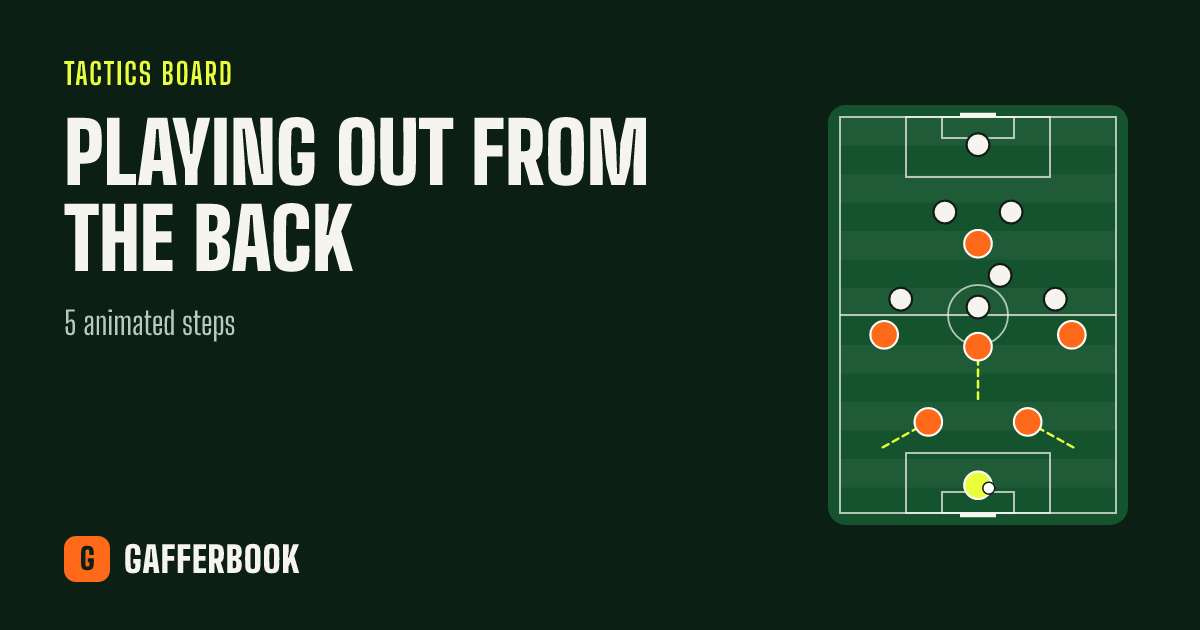
A flat 4-4-2 isn't built for playing out: the two central midfielders get marked and the full-backs end up stuck. A few small rotations fix it. One central midfielder drops beside the centre-backs to make a back three, the full-back on that side pushes high, and the wide midfielder tucks inside into the pocket. Suddenly there's a free player at every height.

GKLBLCBRCBRBLMLCMRCMRMLSTRST
Step 1 of 5

They press with a front three. A flat 4-4-2 gets stuck, so we rotate.

Drawn for 11v11 4-4-2. Pick your own format and shape and every step is redrawn for your players. Then present it or send it to your team.

Step by step

  1. They press with a front three. A flat 4-4-2 gets stuck, so we rotate.
  2. Left central midfielder drops into the left-back space; left-back pushes high; left midfielder tucks inside.
  3. Keeper plays to the dropped midfielder, who's facing forward.
  4. Their right-sided midfielder is torn between our tucked-in midfielder and our full-back.
  5. They go inside, so it's down the line to the full-back, and our tucked-in midfielder spins in behind.

When to use it

Against teams pressing with a front three, or whenever your 4-4-2 keeps losing the ball in its own half.

Coaching points

  • One central midfielder drops into the left-back space or between the centre-backs to make three.
  • The full-back on that side pushes high, giving width further up the pitch.
  • The wide midfielder tucks inside into the pocket between their midfield and defence.
  • The other central midfielder stays central as the link.
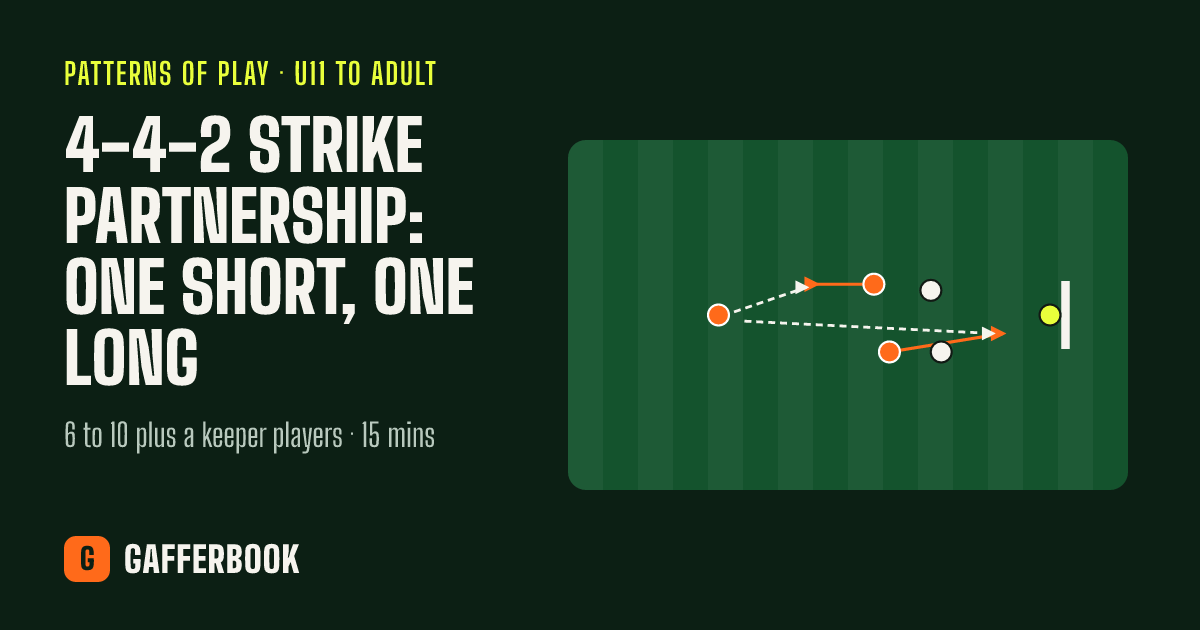
  • The two strikers split: one drops to receive, one pins the centre-backs.

Who does what

PositionTheir job
Centre-backsSplit wider when the midfielder drops in. Pass forward early.
Dropping central midfielderMakes the back three, faces forward, and switches play.
Full-backPushes high and wide to give the out-ball.
Wide midfielderTucks inside into the pocket and turns.
StrikersOne drops into the gap, one pins.

When they change it

If they…You…
Their winger follows our full-backThe dropped midfielder has time: carry it forward.
Their midfielder follows the tucked-in wide midfielderThe other central midfielder is free.
They press with twoNo need to drop in: centre-backs split and the full-backs stay deeper.

Common mistakes

  • Both central midfielders dropping, so there's nobody in the middle.
  • The full-back and wide midfielder both staying wide, on top of each other.
  • The strikers staying flat on the same line.

At 7v7, 9v9 and 11v11

7v7
At 7v7 a 2-3-1 drops its central midfielder the same way.
9v9
At 9v9, a 2-4-2 is a smaller 4-4-2. See its board.
11v11
The board: an 11v11 4-4-2 against a front three.

See the full 11v11 4-4-2 formation guide for the shape, positions and drills.

Drills to practise it

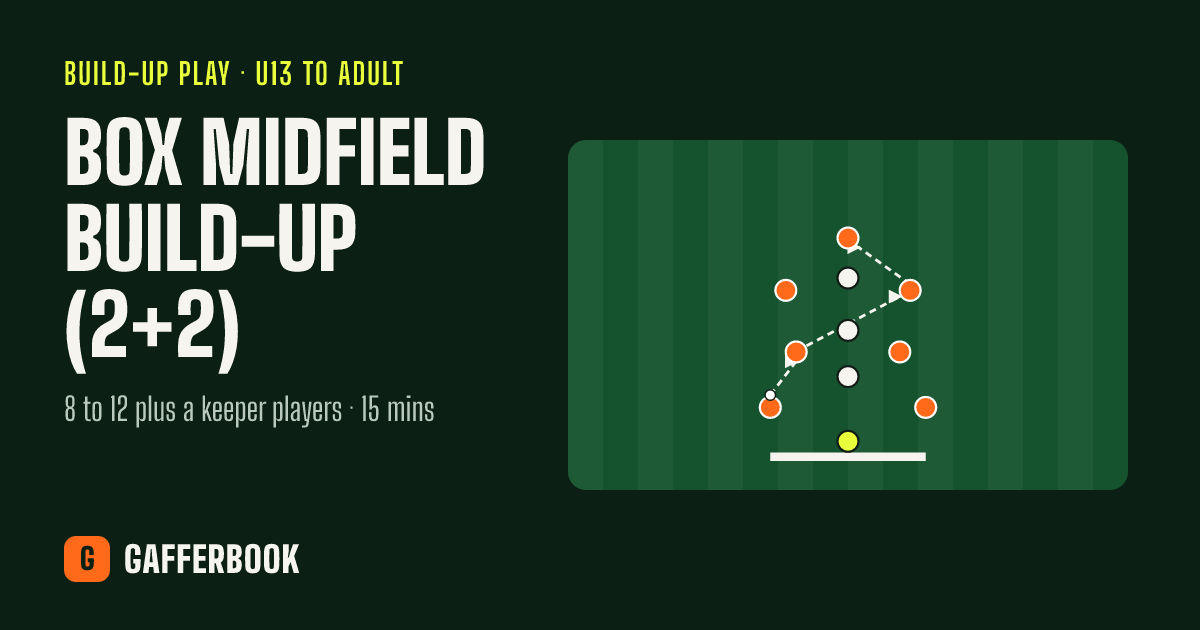
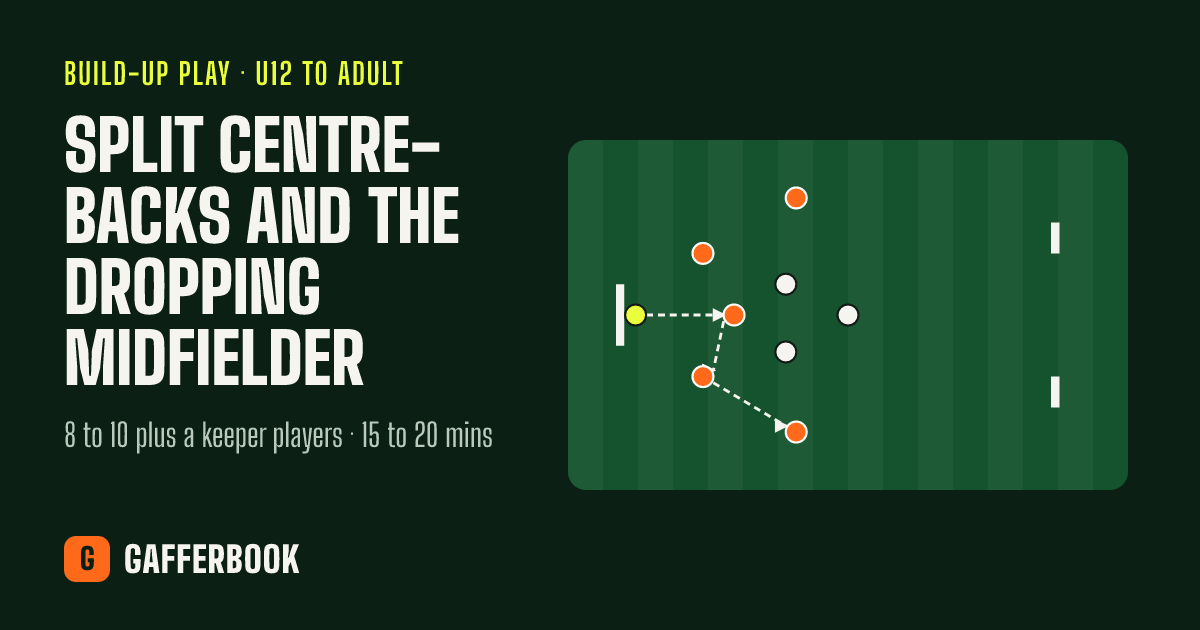
🎽 Positions

Questions coaches ask

Can a 4-4-2 play out from the back?

Yes, with a couple of rotations. The flat shape makes it hard, so the team changes shape slightly when building.

Which central midfielder drops in a 4-4-2?

Usually the more defensive one, on the side where the ball is.

What if we keep losing the ball when we play out?

Expect it at first. Keep the shape, practise the same patterns in training under light pressure, and judge the decision rather than the result. If a game is getting away from you, it's fine to mix in a longer pass to the striker for a spell.
More tactics boards

← All tactics boards Β· Formations Β· Drills