Playing out from the back Β· 11v11 4-2-3-1

Playing out from the back in a 4-2-3-1

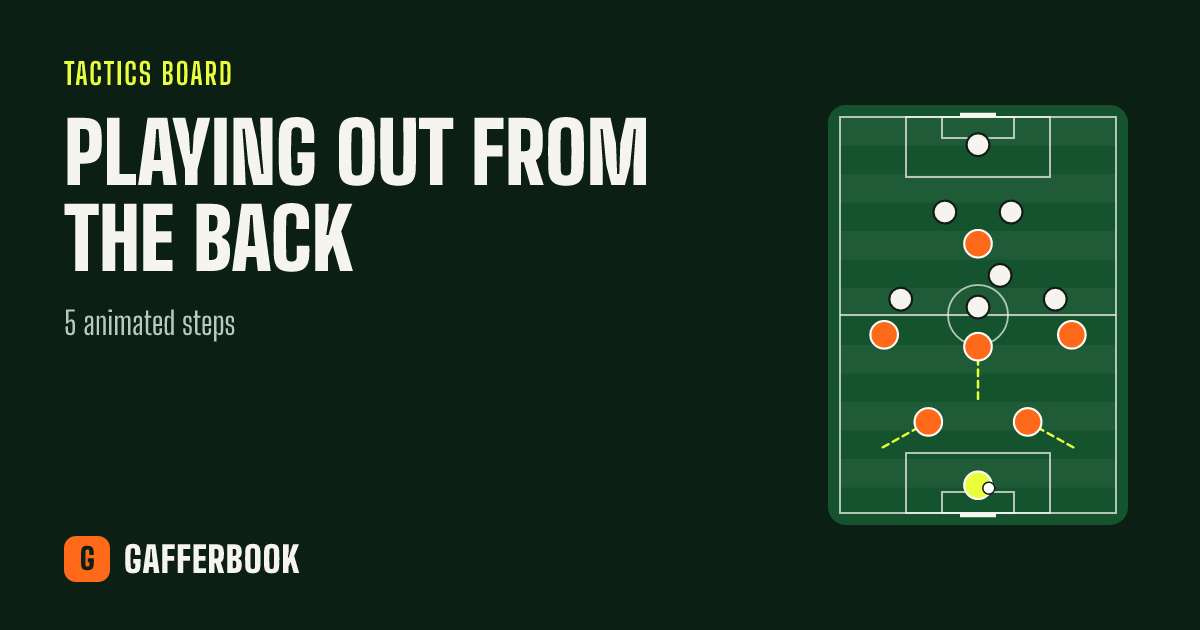
The 4-2-3-1 has two holding midfielders, the double pivot. In build-up they should never stand side by side. One drops near the centre-backs to receive, the other stays higher to link, and the number 10 floats in the pocket behind their midfield. With the full-backs pushing on, there are passing lines at three different heights.

GKLBLCBRCBRBLDMRDMLWCAMRWST
Step 1 of 5

Goal kick against a 4-4-2. Our double pivot staggers instead of standing side by side.

Drawn for 11v11 4-2-3-1. Pick your own format and shape and every step is redrawn for your players. Then present it or send it to your team.

Step by step

  1. Goal kick against a 4-4-2. Our double pivot staggers instead of standing side by side.
  2. Centre-backs split, full-backs up, the left pivot drops, the right pivot stays higher, the 10 in the pocket.
  3. Keeper to the dropping pivot. Their striker comes to press.
  4. Into the higher pivot, who is free behind their strikers.
  5. One touch into the 10 in the pocket, who turns and plays the striker in.

When to use it

Against a 4-4-2 or 4-4-1-1 press, and whenever you want to keep the ball through midfield.

Coaching points

  • The double pivot staggers: one drops, one stays higher, on different sides.
  • Centre-backs split; full-backs push up the line.
  • The 10 finds the pocket between their midfield and defence.
  • Wingers stay wide and high, or tuck in if the full-back overlaps.
  • Look for the 10 turning: that's when the attack really starts.

Who does what

PositionTheir job
Dropping pivotShows near the centre-backs, plays forward or switches.
Higher pivotLinks into the 10 and wingers; covers the counter.
10Lives in the pocket, receives half-turned, plays the striker or winger in.
Full-backsHigh and wide when the pivot drops.
StrikerPins the centre-backs and runs in behind when the 10 turns.

When they change it

If they…You…
Their strikers mark both pivotsCentre-backs carry it into midfield: they're free.
Their midfield squeezes the 10Wingers come inside into the space; full-backs give the width.
They press high with threeKeeper joins in and the dropping pivot makes a back three.

Common mistakes

  • The two pivots standing side by side, easy to mark with one player.
  • The 10 dropping too deep and crowding the pivots.
  • Full-backs staying deep, so there's no width.

At 7v7, 9v9 and 11v11

7v7
At 7v7 a 2-1-2-1 has the same idea with one pivot.
9v9
At 9v9 a 2-4-2 or 3-2-3 is closest.
11v11
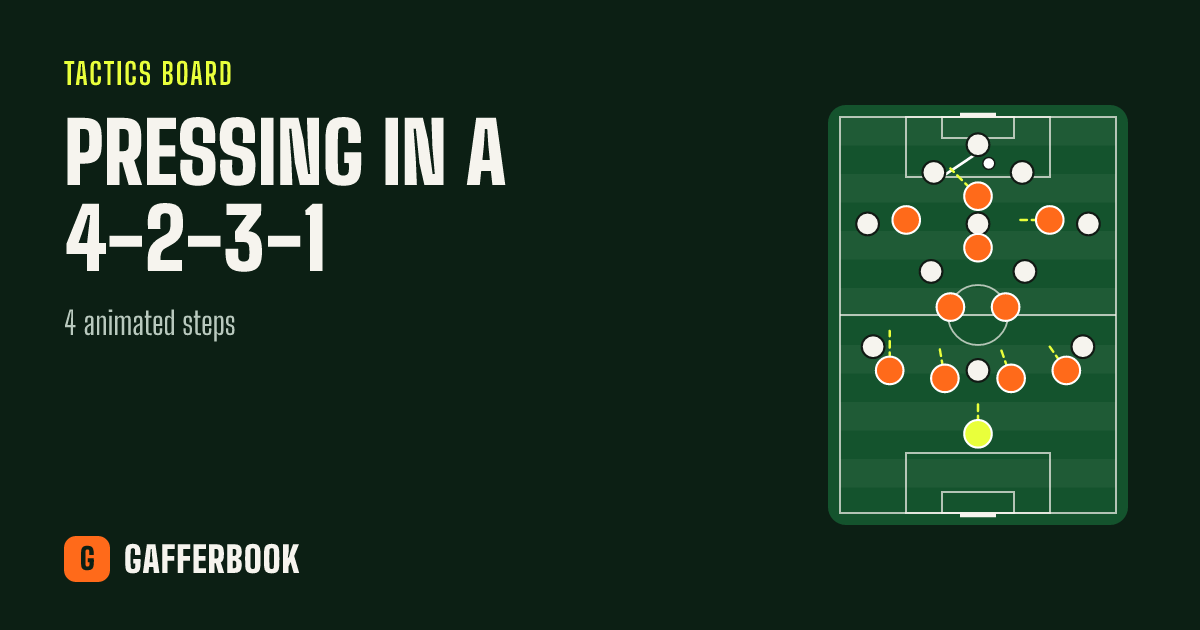
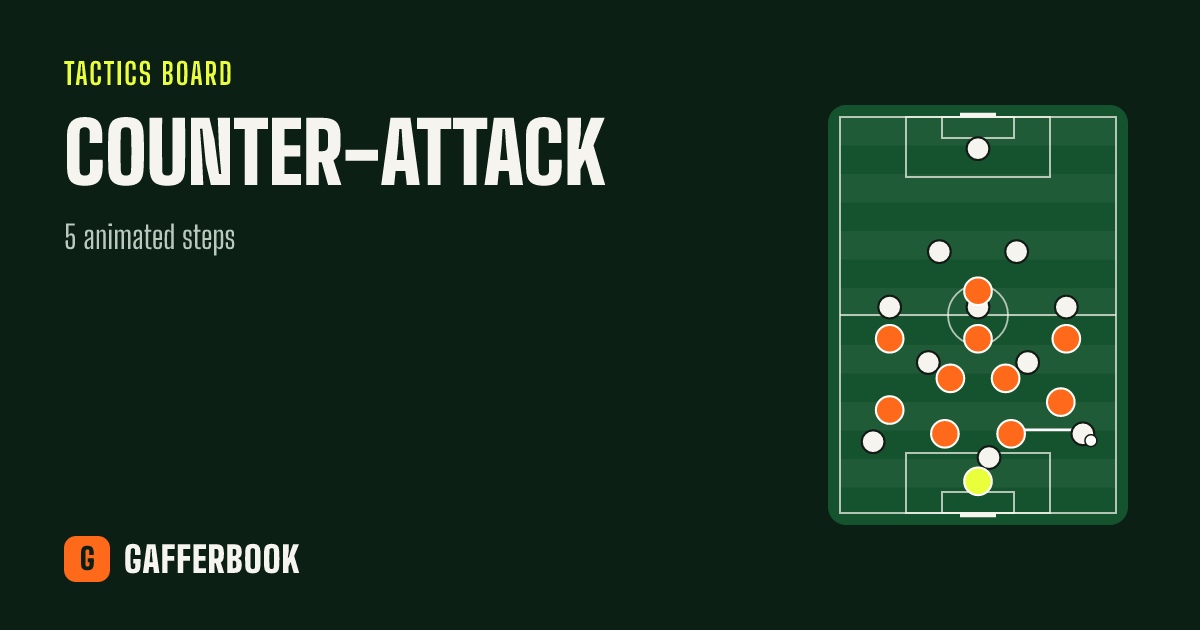
The board: an 11v11 4-2-3-1 against a 4-4-2 press.

See the full 11v11 4-2-3-1 formation guide for the shape, positions and drills.

Drills to practise it

🎽 Positions

Questions coaches ask

What is a double pivot?

The two holding midfielders in a 4-2-3-1. In possession they stagger so one is always free; out of possession they protect the defence.

Where should the 10 stand when we play out?

In the pocket between their midfield and defence, slightly to the side of the ball.

What if we keep losing the ball when we play out?

Expect it at first. Keep the shape, practise the same patterns in training under light pressure, and judge the decision rather than the result. If a game is getting away from you, it's fine to mix in a longer pass to the striker for a spell.
More tactics boards

← All tactics boards Β· Formations Β· Drills